


Solar energy applicant and introduction
author: Mary
2024-06-12
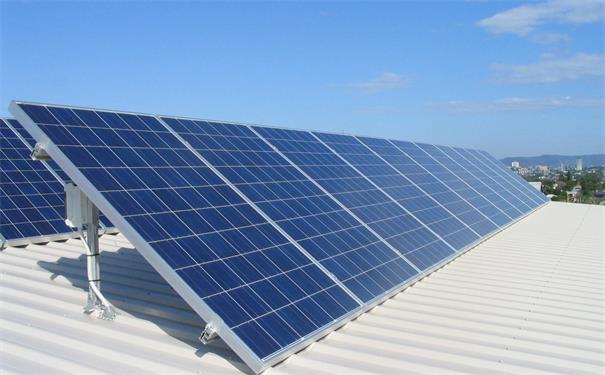
The basic principle of solar energy is based on the principle of photosynthesis, which is mainly converted and utilized through two methods: photovoltaic power generation (PV) and solar thermal energy.
1. Photovoltaic power generation: When sunlight shines on photovoltaic materials (such as silicon chips), photons interact with electrons in semiconductor materials, allowing electrons to obtain enough energy to detach from atomic orbitals and become free electrons, thereby generating current. This process does not require fuel or generate greenhouse gas emissions, and is a direct way of converting light energy into electricity.
2. Solar thermal energy: Solar thermal energy systems utilize the heat from solar radiation, which is absorbed and converted into thermal energy through collectors, and then used for heating, hot water supply, or power generation. Thermal energy conversion methods include low-temperature hot water systems, medium temperature industrial heating, and high-temperature steam power generation.
The advantages of solar energy
1. Clean and environmentally friendly: Solar energy produces almost no pollutants during the conversion process, which helps reduce dependence on fossil fuels, alleviate environmental pollution, and mitigate the greenhouse effect.
2. Renewableity: Solar energy is inexhaustible and is truly renewable, ensuring the long-term sustainability of energy supply.
3. Widely distributed: Most regions around the world can receive sunlight, especially near the equator and sunny areas, which have great potential for development
4. Low maintenance cost: Once installed, the operating cost of the solar system is relatively low, mainly for daily cleaning and regular inspections.
1. Clean and environmentally friendly: Solar energy produces almost no pollutants during the conversion process, which helps reduce dependence on fossil fuels, alleviate environmental pollution, and mitigate the greenhouse effect.
2. Renewableity: Solar energy is inexhaustible and is truly renewable, ensuring the long-term sustainability of energy supply.
3. Widely distributed: Most regions around the world can receive sunlight, especially near the equator and sunny areas, which have great potential for development
4. Low maintenance cost: Once installed, the operating cost of the solar system is relatively low, mainly for daily cleaning and regular inspections.
Application area
1. Residential and commercial buildings: The solar photovoltaic panels installed on the roof can provide electricity for households and businesses, and even surplus electricity can be connected to the grid.
2. Agriculture: Solar pumping systems provide power for irrigation, while solar drying technology is used for the processing and preservation of agricultural products. 3. Transportation: Solar energy is applied to charging stations to provide green energy for electric vehicles, as well as the development of new transportation vehicles such as solar powered airplanes and ships.
3. Public facilities: Urban infrastructure such as street lights and traffic signals are increasingly using solar power to reduce operation and maintenance costs
4. Power supply in remote areas: Solar energy provides an independent and reliable source of electricity for residents in areas without grid coverage or unstable power grids.
Although solar energy has many advantages, its development still faces some challenges, including high initial investment costs, decreased power generation efficiency during nighttime and rainy days, and limitations in energy storage technology. With technological progress and large-scale production, the cost of solar modules has significantly decreased, and breakthroughs in battery energy storage technology are also improving the stability and practicality of solar energy. In the future, with the global pursuit of sustainable development goals, solar energy is expected to continue to grow rapidly, and together with other renewable energy sources, build a more green and low-carbon energy system. The support of government policies, technological innovation, and the enhancement of public awareness will be important factors driving this transformation.
1. Residential and commercial buildings: The solar photovoltaic panels installed on the roof can provide electricity for households and businesses, and even surplus electricity can be connected to the grid.
2. Agriculture: Solar pumping systems provide power for irrigation, while solar drying technology is used for the processing and preservation of agricultural products. 3. Transportation: Solar energy is applied to charging stations to provide green energy for electric vehicles, as well as the development of new transportation vehicles such as solar powered airplanes and ships.
3. Public facilities: Urban infrastructure such as street lights and traffic signals are increasingly using solar power to reduce operation and maintenance costs
4. Power supply in remote areas: Solar energy provides an independent and reliable source of electricity for residents in areas without grid coverage or unstable power grids.
Although solar energy has many advantages, its development still faces some challenges, including high initial investment costs, decreased power generation efficiency during nighttime and rainy days, and limitations in energy storage technology. With technological progress and large-scale production, the cost of solar modules has significantly decreased, and breakthroughs in battery energy storage technology are also improving the stability and practicality of solar energy. In the future, with the global pursuit of sustainable development goals, solar energy is expected to continue to grow rapidly, and together with other renewable energy sources, build a more green and low-carbon energy system. The support of government policies, technological innovation, and the enhancement of public awareness will be important factors driving this transformation.
Home energy storage systems Project s in North America, Realization of electrical network coverage in Uganda
Related Article

The Solar Fan operates on a simple yet powerful principle: it converts sunlight into electricity using high-efficiency solar panels. These panels capture solar energy during daylight hours and convert it into electrical energy to power the fan.
Even on cloudy days, the Solar Fan can still generate enough power to keep you comfortable.
Even on cloudy days, the Solar Fan can still generate enough power to keep you comfortable.
Embrace the Future of Cooling: Discover the Solar Fan

A Solar Panel Charger for Phones is an eco-friendly and portable device designed to harness solar energy and convert it into electrical power, which can then be used to charge mobile phones and other small electronic devices. This innovative technology offers several key benefits:
Solar Panel Charger for Phones widely used in Outdoor activity
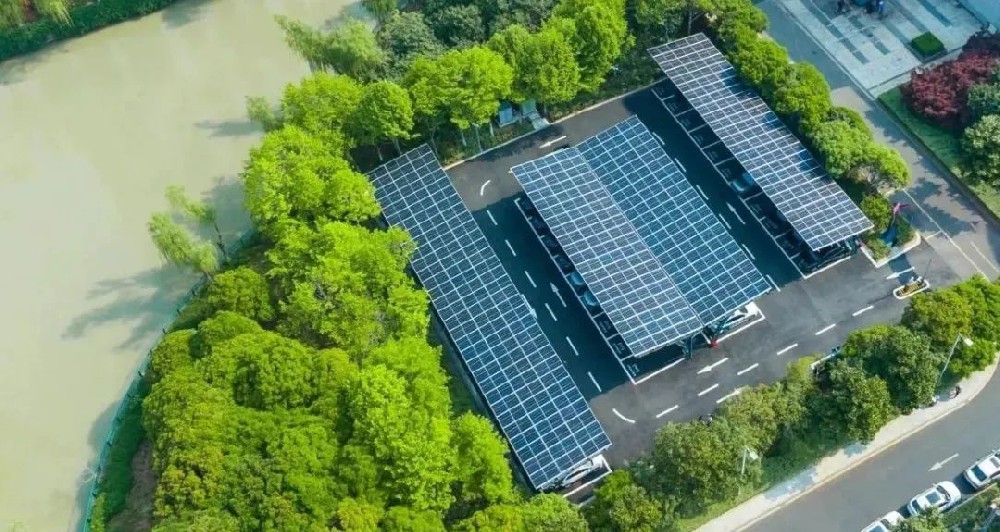
The "Shanghai Hongqiao St. Paul Light Storage Charging and Discharging Integration Charging Station" jointly invested by Chasersolar and Star Charging was formally inaugurated. Chasersolar. actively responded to the national "dual-carbon" action call, advocating the public green travel.
Chasersolar solar PV system applicant in Shanghai Hongqiao St. Paul Light Storage Charging and Discharging Integration Charging Station
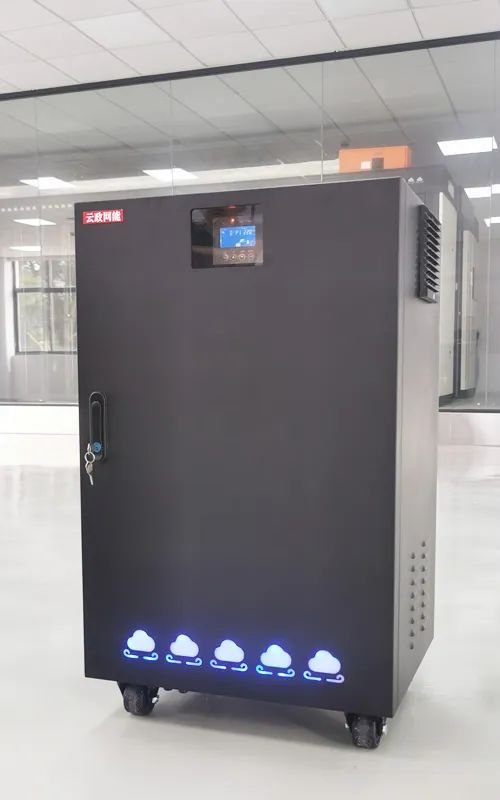
Home energy storage systems are mostly grid-connected photovoltaic energy storage systems, i.e., energy storage units combined with grid-connected photovoltaic power generation systems, with load regulation, with other new energy access, make up for line losses, power compensation, improve power quality, isolated network operation, peak shaving and filling in the valleys and other features.
Home energy storage systems Project s in North America, Realization of electrical network coverage in Uganda